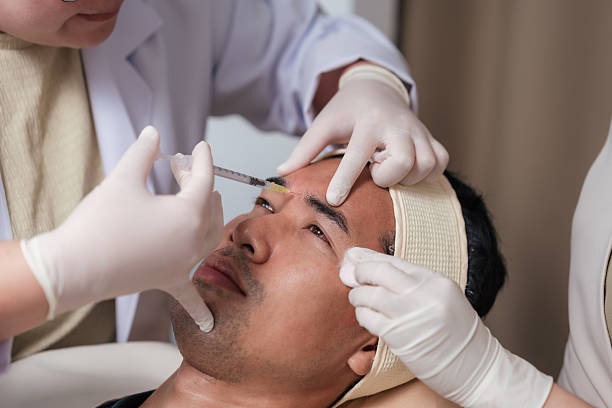
Rehabilitation following surgical repair is a critical phase in the recovery journey of patients, aiming to restore full mobility and functionality. This process is intricately designed and led by clinics specializing in post-operative care, ensuring that each patient receives personalized attention tailored to their specific needs. The clinic-led approach emphasizes not only physical recovery but also psychological well-being, acknowledging the holistic nature of healing.
The initial stage of rehabilitation begins immediately after surgery when the patient may be vulnerable and anxious about their future mobility. Clinics play a pivotal role during this period by providing comprehensive assessments conducted by a team of healthcare professionals. These assessments are crucial for developing individualized rehabilitation plans that address each patient’s unique condition and goals. By leveraging advanced diagnostic tools and techniques, clinics can accurately evaluate the extent of surgical repair required and predict potential challenges in the rehabilitation process.
Once an individualized plan is established, patients commence their rehabilitation journey with guided exercises aimed at gradually restoring strength, flexibility, and range of motion. Clinics employ physiotherapists who specialize in post-surgical recovery to lead these sessions, ensuring exercises are performed correctly to prevent further injury or complications. The progression from simple movements to more complex activities is Fixio carefully monitored and adjusted based on the patient’s response to treatment.
Clinic-led rehabilitation also incorporates state-of-the-art technology such as robotic-assisted therapy devices and virtual reality systems that enhance traditional therapeutic practices. These innovations provide real-time feedback on performance while motivating patients through interactive experiences that make exercise engaging rather than monotonous.
In addition to physical therapy, clinics recognize the importance of addressing mental health during rehabilitation. Psychological support services are often integrated into treatment plans to help patients cope with emotional stressors associated with surgery and recovery. Counseling sessions offer strategies for managing anxiety or depression which might hinder progress towards regaining full mobility.
Nutritional guidance forms another cornerstone of clinic-led rehabilitation programs; dieticians work closely with patients to optimize nutrition intake essential for tissue healing processes following surgical interventions.
Throughout this entire process communication between healthcare providers ensures continuity across different stages from pre-operative education through postoperative follow-up visits until complete restoration has been achieved successfully – reinforcing trust built upon collaborative efforts amongst multidisciplinary teams dedicated solely towards improving outcomes related specifically around enhancing quality life aspects concerning individuals undergoing significant medical procedures requiring extensive recuperation periods afterward too!
Ultimately achieving full mobility after surgical repair requires commitment both from clinicians guiding rehabilitative efforts alongside motivated participants actively engaged within their own recoveries thereby fostering positive environments conducive toward optimal results benefiting everyone involved mutually!